

Silent canopy packs
Acoustic canopy packs for neighbour-sensitive installs.
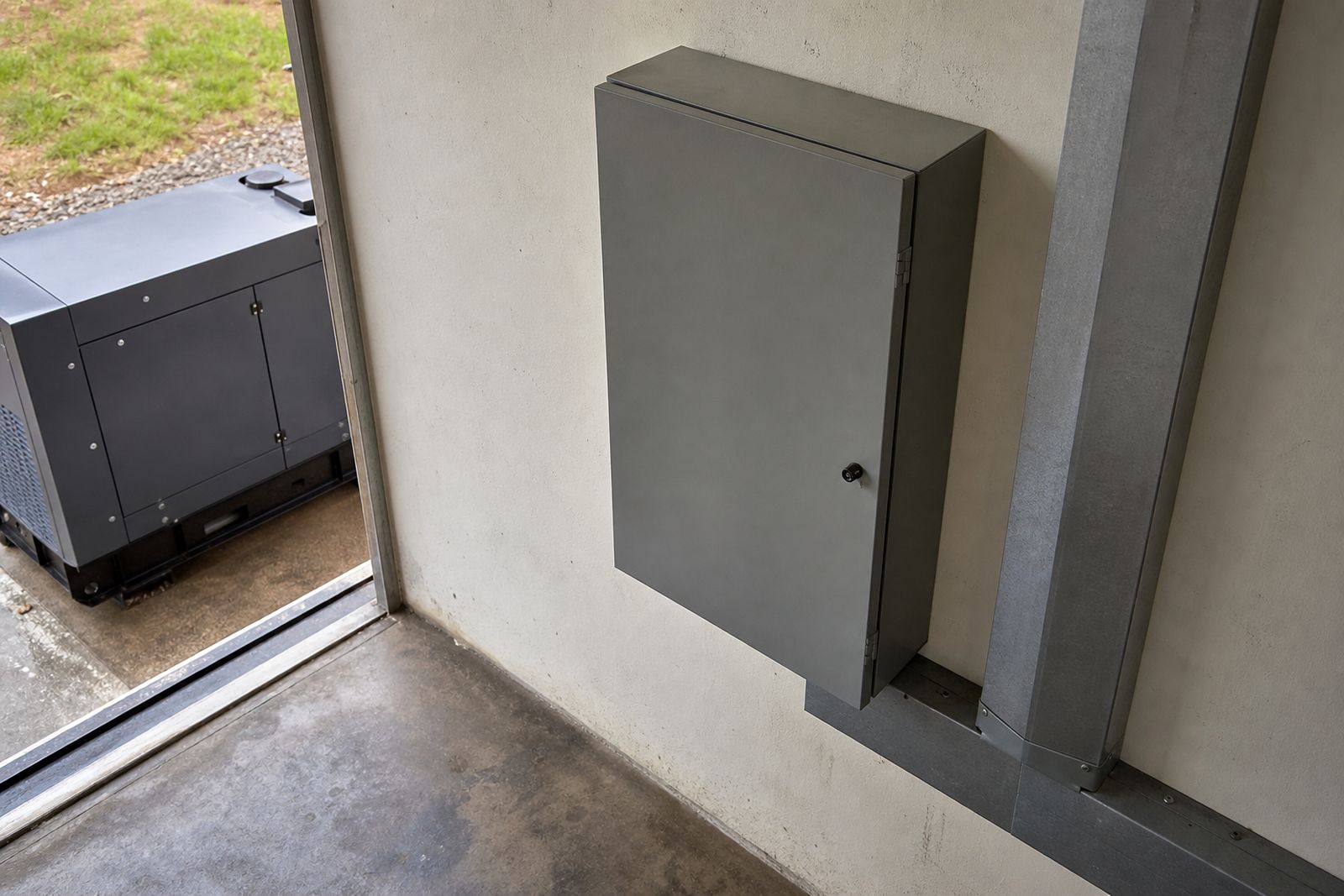
Acoustic enclosure around the genset
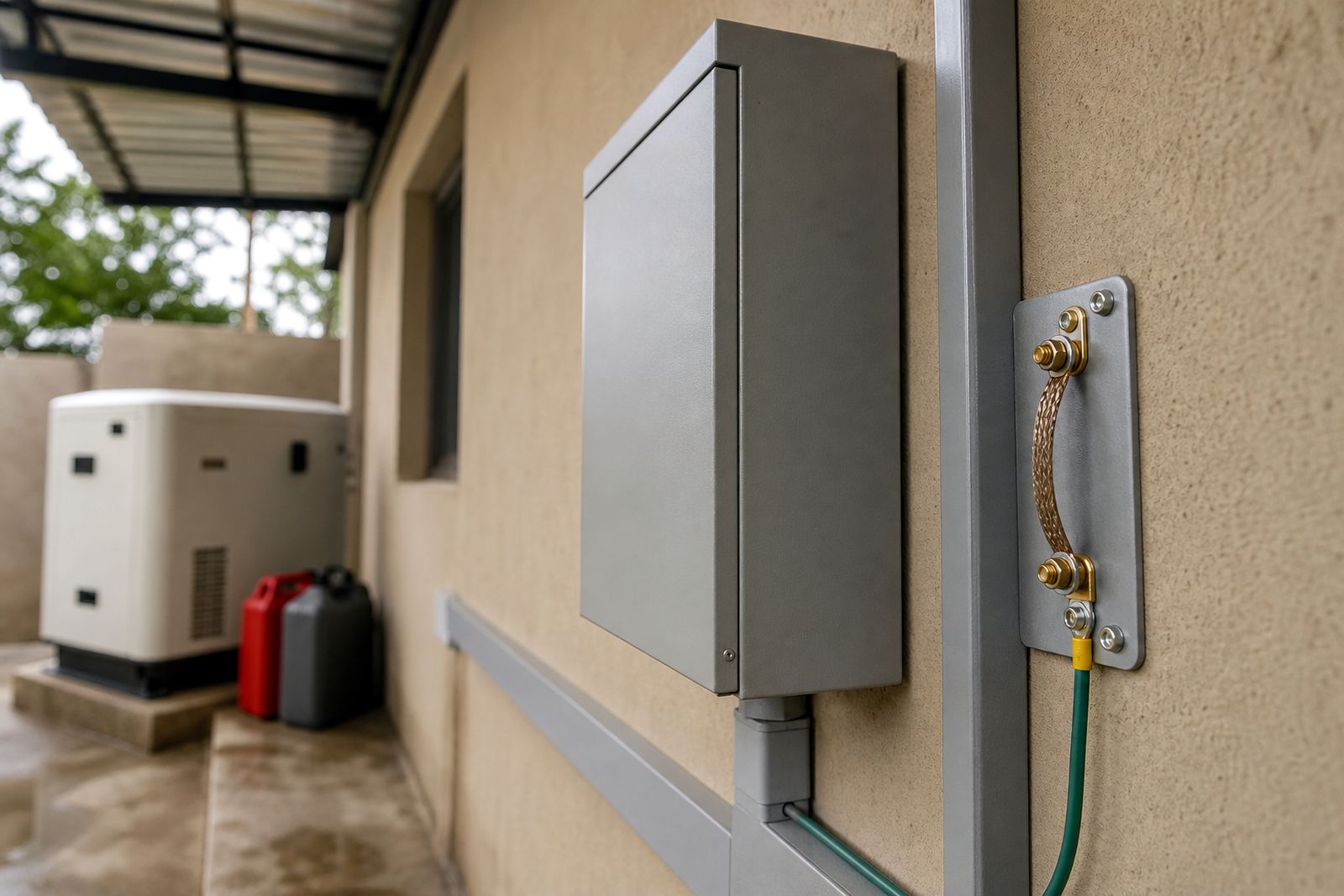
A silent canopy pack houses the generator in a lined steel enclosure that cuts noise for homes, offices and mixed-use sites. Intake and discharge openings are arranged to let the set breathe while keeping the sound level more manageable at the boundary wall. In South African suburbs, that matters most during power cuts after dark and on early-morning test runs.
Use a silent canopy pack where neighbours, tenants or body corporates need lower operating noise than an open set can give. Ask about matching it with Gensets and the right site route for access, airflow and cable routing. Send site details through our contact form, including the town, pad position and whether the exhaust exits toward a boundary.
For yard and plant-room dispatch from head office, canopy checks normally focus on door latches, insulation fixing, rain seals and base alignment. A skew base or loose panel will show up quickly once the engine is under load. It is worth checking lifting points and door swing before the unit leaves for site.
Commission notes
- Leave service doors clear on both sides
- Check intake louvres for packaging and debris
- Record canopy serial and key set
- Run-load test with all doors latched
Canopy layouts differ according to radiator position, exhaust route and how often technicians need side access. On tighter compounds, a simple clearance sketch helps avoid blocked doors, hot air recirculation and awkward refuelling. If the set sits near parking bays or paving edges, note that as well when sending through the site information.
Residential estates usually want reduced noise at the perimeter and tidy external finishes. Farms and lodges often need weather protection against dust, rain and long idle periods between outages. On retail and office sites, the canopy also helps shield belts, fans and hot parts from casual contact.
Service travel
Coastal installs need attention to corrosion on hinges, locks and fasteners. Highveld winters can expose weak batteries because enclosed sets still face cold morning starts. In dusty areas, radiator screens and louvre openings should be inspected more often so airflow does not fall away under load.
Browse Runtime for habits that sit beside this kit. Browse Resources for printable cards.
If a canopy arrives with a dented panel, torn seal or rubbing door, photograph the exact point before commissioning. Noise issues are easier to trace when latch pressure, insulation condition and exhaust joints are checked one by one. That avoids blaming the alternator or engine for a bodywork fault.
Checks before first site run
Confirm that every access door closes square and that the keys are tagged for the handover file. Look at exhaust lagging, rain caps and outlet direction before the first extended run. A canopy only works properly when sound lining stays intact and hot air can leave without looping back into the radiator.
What our Backup Genset customers say
Verified Google reviews
Also worth a look
Tell us about your backup power
Send a note through our contact form with the circuits you need to keep running, the kind of site, your fuel preference, how the changeover works today and your area, and we will come back with practical genset options and a quote.
Open the contact form