

Church hall
Sunday services and midweek events on a quiet estate pack.
Power planning for church gatherings
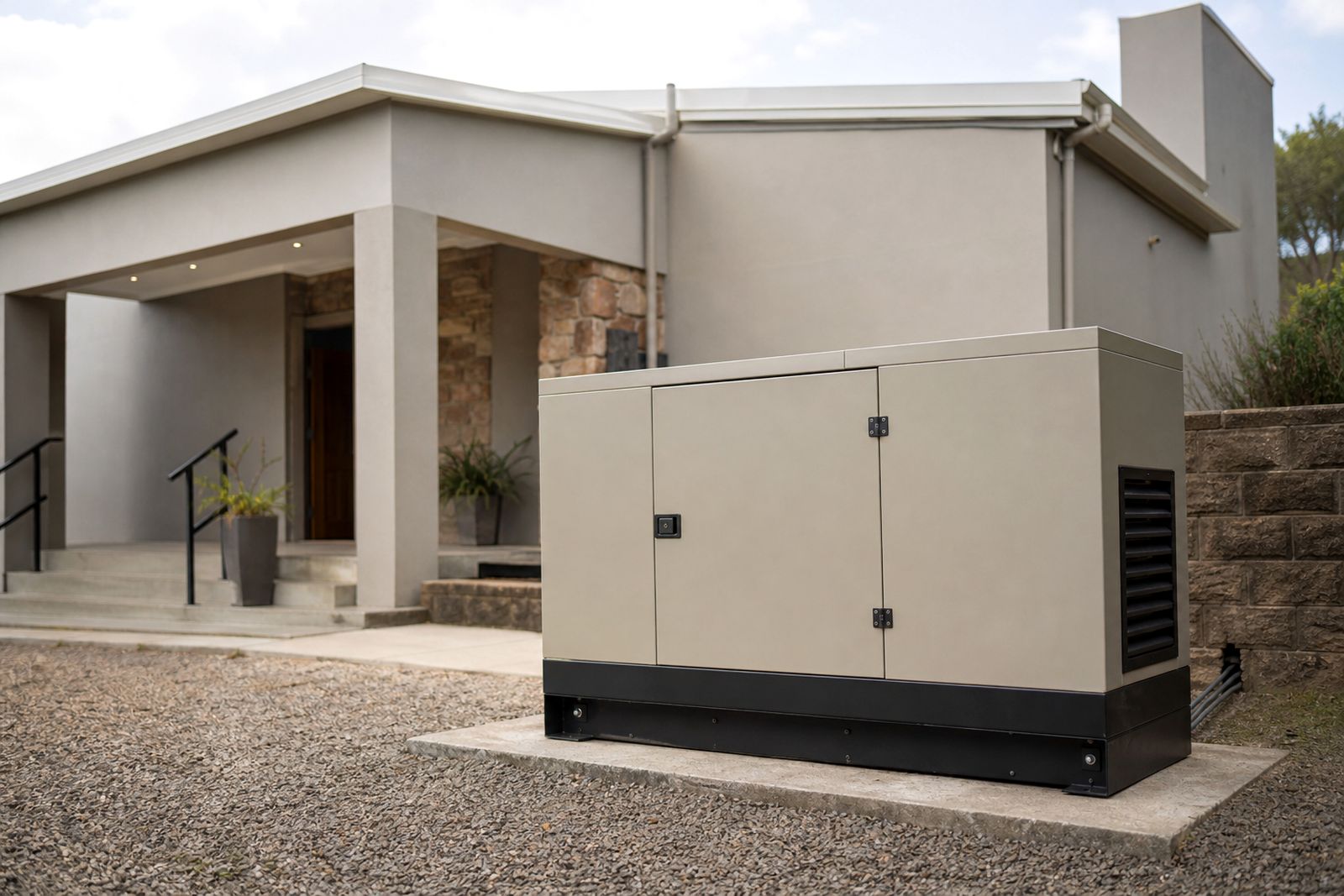
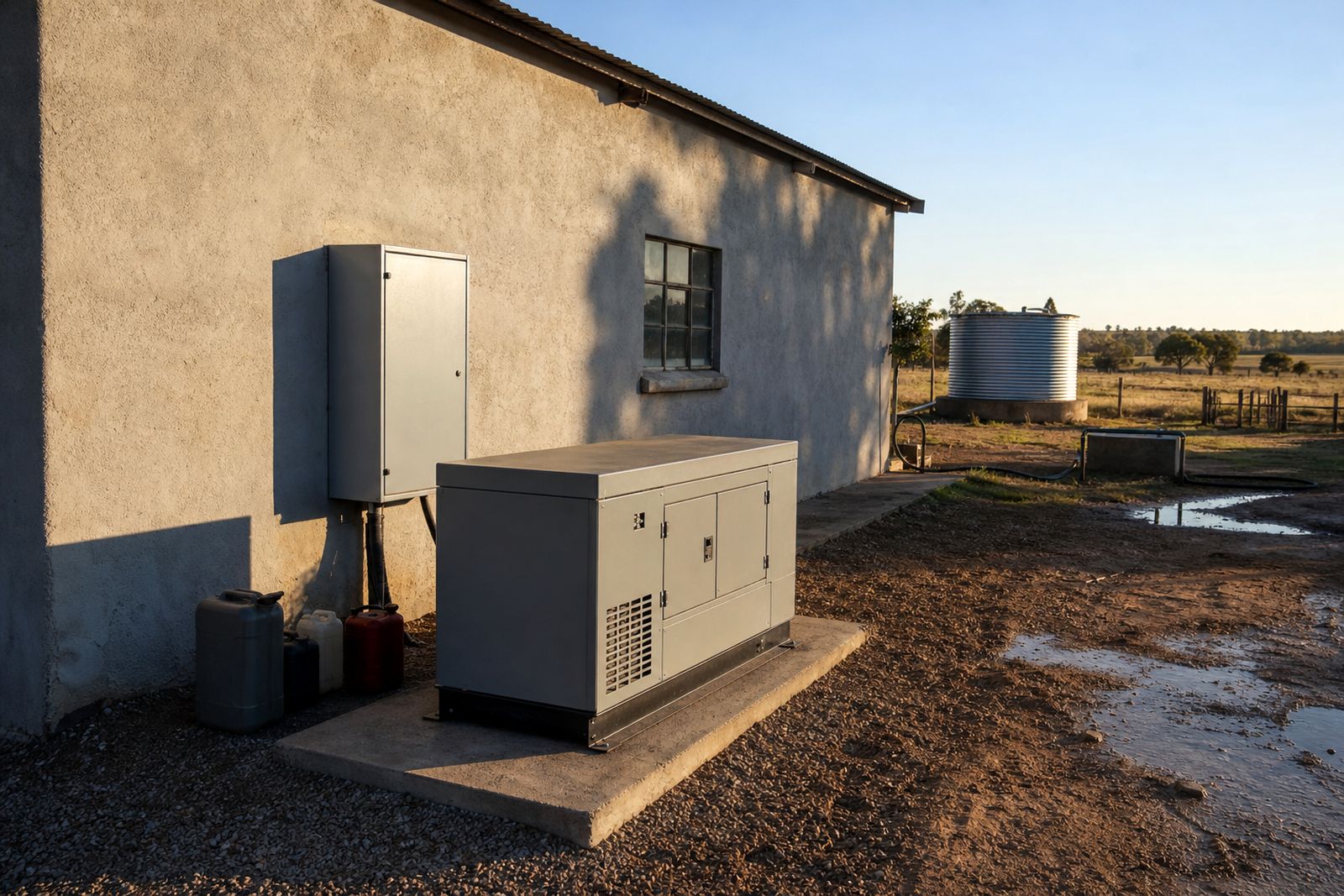
A church hall needs backup power that suits Sunday worship, evening prayer meetings, funerals, youth sessions and occasional sound checks. The estate silent 15 kVA is the main genset here, with attention on the lights, PA system, a few plug points and any security essentials that must stay on during power cuts.
Church properties often sit close to homes, boundary walls and parking areas, so genset position matters as much as kVA. On this kind of site we check canopy noise near the hall doors, cable runs back to the DB, and whether kitchen fridges, gate motors or classroom circuits must be kept separate from the main service load.
Service times shape the runtime plan here. A hall used mainly on Sundays may only need short starts for worship and clean-up, while a busier venue with midweek meetings and choir practice needs fuel planning that covers repeated outages across Stage 2, Stage 4 and Stage 6 without overloading the set when the amplifier rack and lighting come on together.
Checks before the first service
- List hall, kitchen and security priorities
- Match estate silent 15 kVA to the noise and fuel use that works for a church hall
- Test changeover with the church caretaker present
- Pin the Runtime note by the DB
- Photograph the isolator, earth and meter reading
For a church hall, include service times, kitchen equipment, sound counter load, and whether outside lights must stay on after dark when you use our contact form. See Gensets and Panels if the hall needs a changeover, ATS, or a board setup that keeps amplification and fridges on separate priority lines. Mention any tripping, dimming, or breaker heat you have seen during previous outages.
A clear photo of the main DB and the hall sub-DB helps with planning. It is also useful to mention whether the property is on an estate, whether parking is tight, and whether the genset must sit away from the congregation entrance or memorial garden.
Common snags at worship venues
Problems usually start when the music system, urns, kitchen appliances and outside lights are all treated as one simple load. Another issue is poor placement, where exhaust drifts toward the foyer or open windows. On Highveld sites, dry season dust can shorten filter life, while coastal venues need more attention to moisture around controls and connections.
Neighbour sensitivity counts at a church hall, especially for early services and evening gatherings. Even with a silent canopy, the pad position, wall reflections and distance from bedrooms need checking before installation. Leave enough space around the unit for airflow, refuelling and routine inspection without blocking foot traffic on busy days.
Church halls with kitchens and multipurpose rooms can trip themselves up when every circuit is brought on at once after an outage. Staggering the hall lights, sound system and catering load reduces that first surge. Write the switching order near the panel so volunteers and caretakers follow the same routine.
Site notes for the next caretaker
Keep one sheet on site with the hall name, genset model, changeover method, priority circuits, last fuel fill and service hours. Add the runtime reference you used, plus any note about which lights, plugs or kitchen items stay off during backup operation. That gives church staff and relief caretakers a simple handover at the panel.
If a fault occurred during Stage 4, note it. Patterns matter more than single incidents. Browse related Projects for jobs that are similar.
If the property also has offices, classrooms or a separate residence, record them as distinct loads instead of pushing every duty through one hall setup. A church campus is easier to manage when the worship space has its own clear backup plan and the rest of the site is assessed on its own demand.
What our Backup Genset customers say
Verified Google reviews
Also worth a look
Tell us about your backup power
Send a note through our contact form with the circuits you need to keep running, the kind of site, your fuel preference, how the changeover works today and your area, and we will come back with practical genset options and a quote.
Open the contact form