

Data closet
Small IT closet continuity with clean transfer habits.
Server rack backup requirements
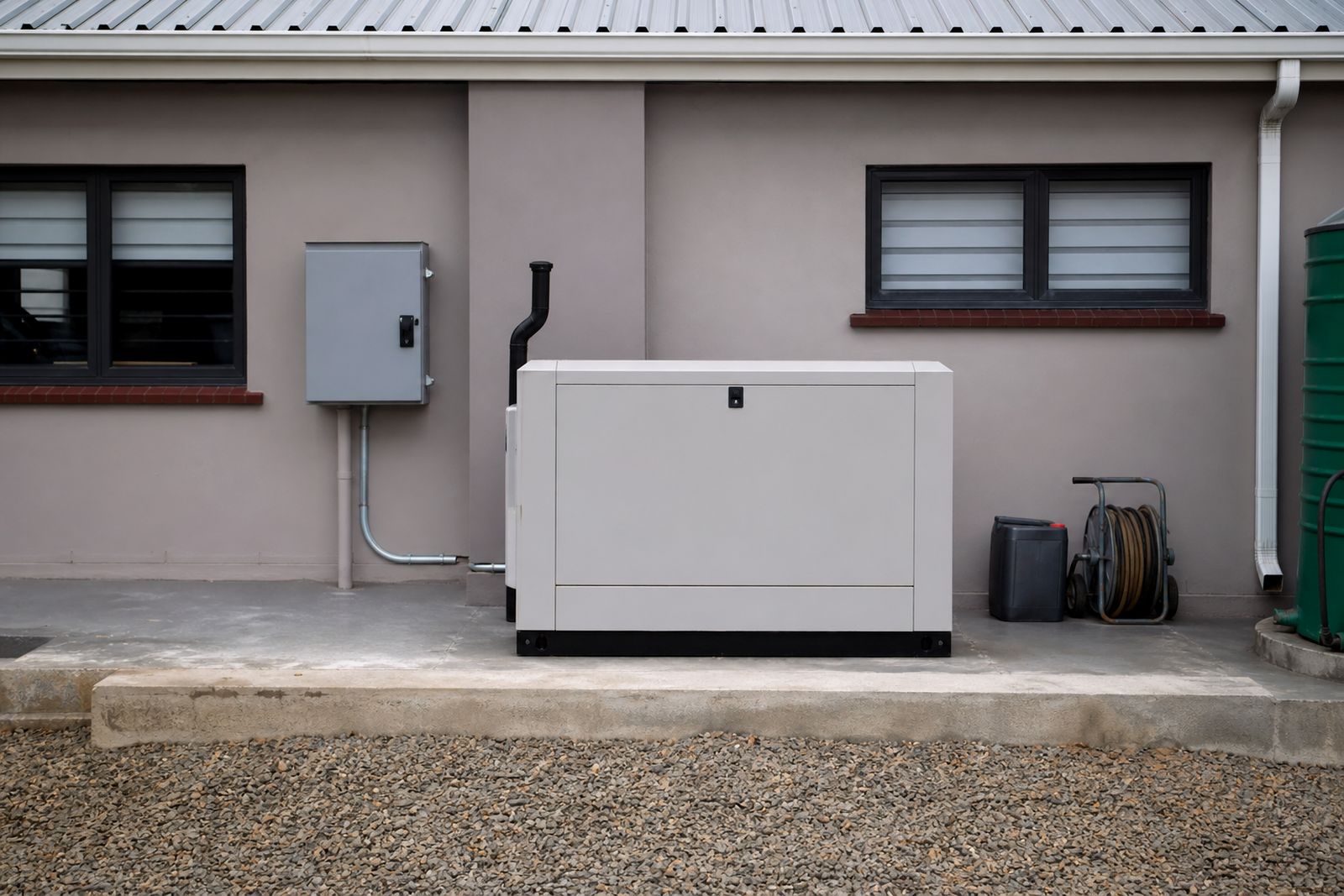
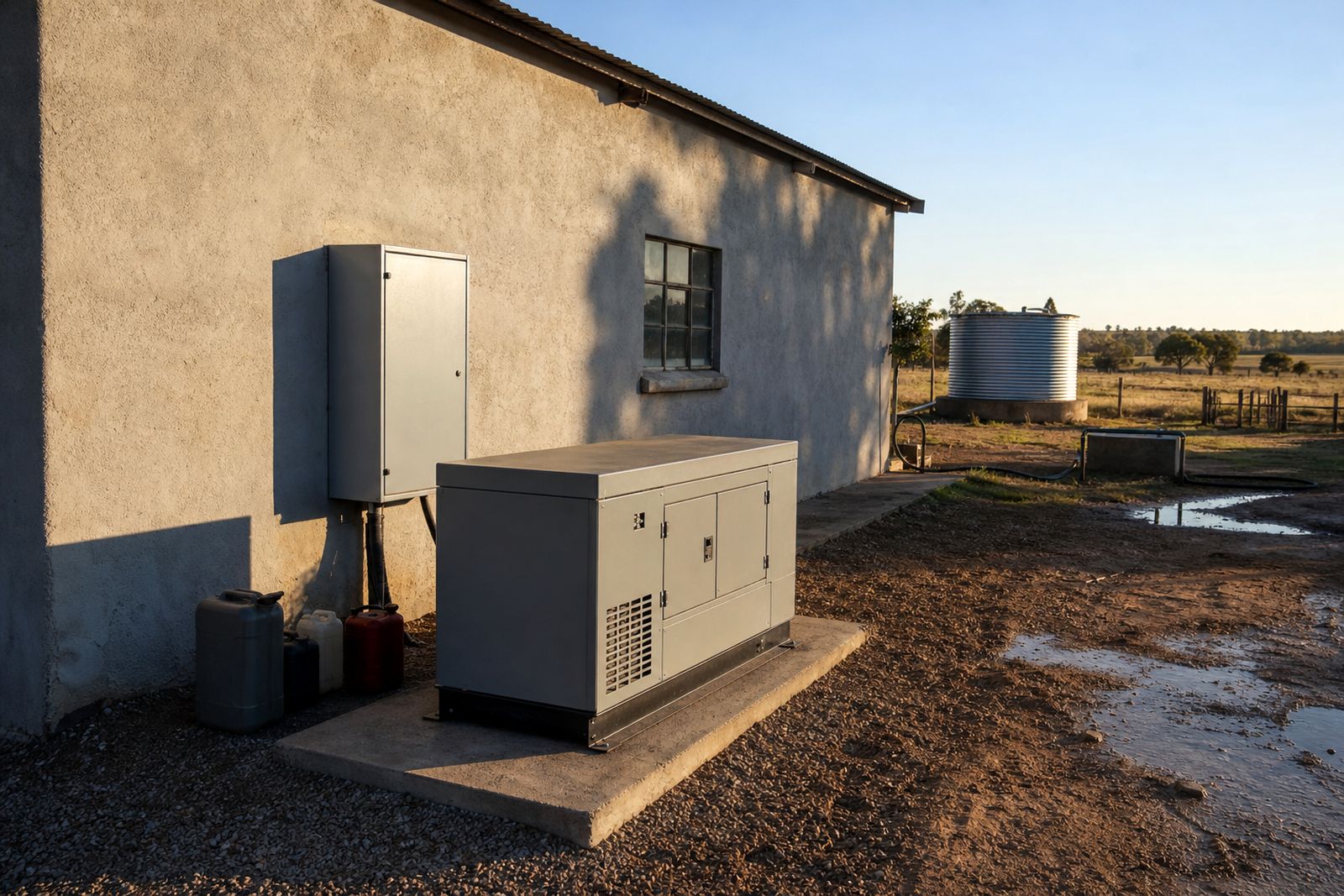
A data closet needs backup power that starts cleanly and does not upset switches, routers, access control or the small cooling load in the room. The primary genset is clinic quiet 12 kVA, suited to keeping the core rack, fibre gear and essential lighting alive through power cuts and utility faults.
These rooms are usually tight, warm and full of sensitive electronics, so the backup plan starts with the actual rack load instead of the building total. In South African conditions, dust at intake points, coastal moisture, and weak ventilation around the closet can all change how the set is placed and how often filters and inspections are needed.
Runtime planning for a data closet must follow the outage pattern on your site and the battery autonomy on the UPS ahead of generator pick-up. Where Stage 2 is common, fuel storage and exercise routines may stay modest. Sites that regularly ride through Stage 4 or Stage 6 usually need tighter refuelling notes, clearer transfer steps and stricter control of non-essential circuits.
Checks before rack transfer
- List rack, cooling, lights separately
- Match clinic quiet 12 kVA to the noise and fuel you can live with
- Test changeover with UPS alarms visible
- Pin the latest Runtime note nearby
- Record first start hours and voltage
For a data closet, include rack count, UPS size, switch load, and whether cooling stays on during outages when using our contact form. Add links to Gensets and Panels if you need a changeover, ATS, or a dedicated feed for network gear. Mention any inverter or battery unit that has tripped before, and note which devices dropped first.
A clear photo of the DB, rack labels and the room door position helps when the closet is tucked into a passage, comms room or admin block. For confined sites, a simple sketch showing cable route, ventilation openings and nearest external placement point is often more useful than a long description.
Common faults in comms cupboards
Trouble usually starts when the load list ignores inrush, small aircon demand or extra devices added to the rack after the first install. Another frequent issue is poor exhaust and intake planning where the generator sits outside but the transfer gear and power feed were never tidied up. Inland dust can choke filters quickly in dry months, while coastal salt air calls for more frequent checks on terminals and control components.
Noise matters when the data closet sits near consulting rooms, reception areas, flats or boundary walls. Even with a quieter canopy, placement still needs sensible clearance from windows, walkways and air intakes. On compact properties, it helps to settle the set position before electrical work is finalised so cabling and access are not compromised later.
Shared supply is another weak point when the closet is fed together with kitchen plugs, workshop tools or office kettles on one rushed backup plan. Keep the communications load identified and isolated where possible. The night team should be able to see, in plain writing, which breakers belong to the rack and which ones stay off during generator running.
Notes for the next shift
Keep one sheet at the site with the closet name, generator model, transfer method, UPS hold-up time, priority circuits, fuel status and last test date. Add the meter reading and any alarm seen during the previous run. For small IT rooms, that short record is what stops guesswork when staff change over between shifts or contractors.
If a fault occurred during Stage 4, note it. Patterns matter more than single incidents. Browse related Projects for jobs that match this setup.
If the site later expands to a larger server room, more cooling or additional security systems, update the backup brief instead of stretching one small arrangement across every new demand. A data closet often begins with a modest essential load, then grows quietly until the original sizing no longer reflects reality.
What our Backup Genset customers say
Verified Google reviews
Also worth a look
Tell us about your backup power
Send a note through our contact form with the circuits you need to keep running, the kind of site, your fuel preference, how the changeover works today and your area, and we will come back with practical genset options and a quote.
Open the contact form