

Clinic power backup
Quiet cover for vaccine fridges and consultation lights.
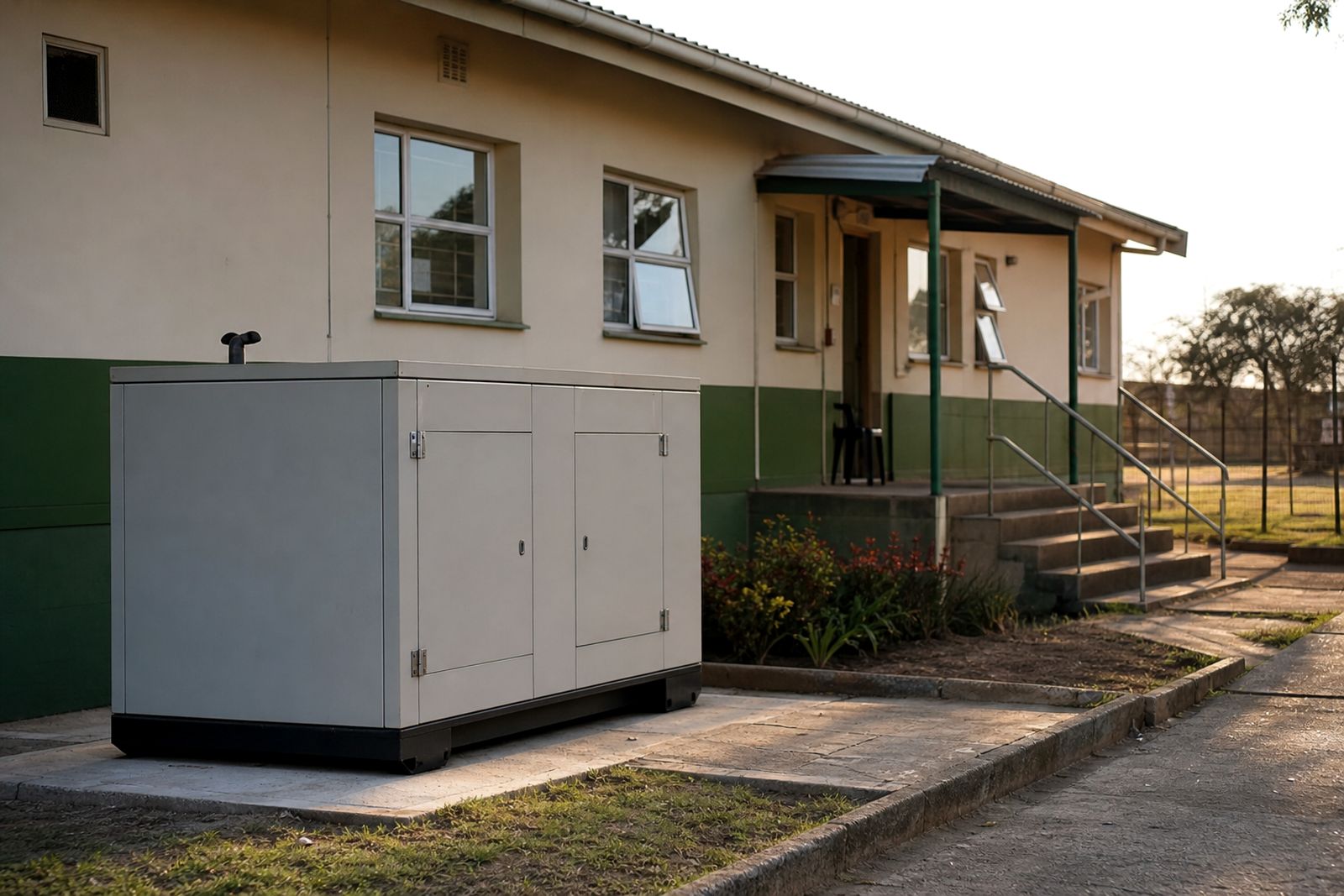
Clinic backup during consultations
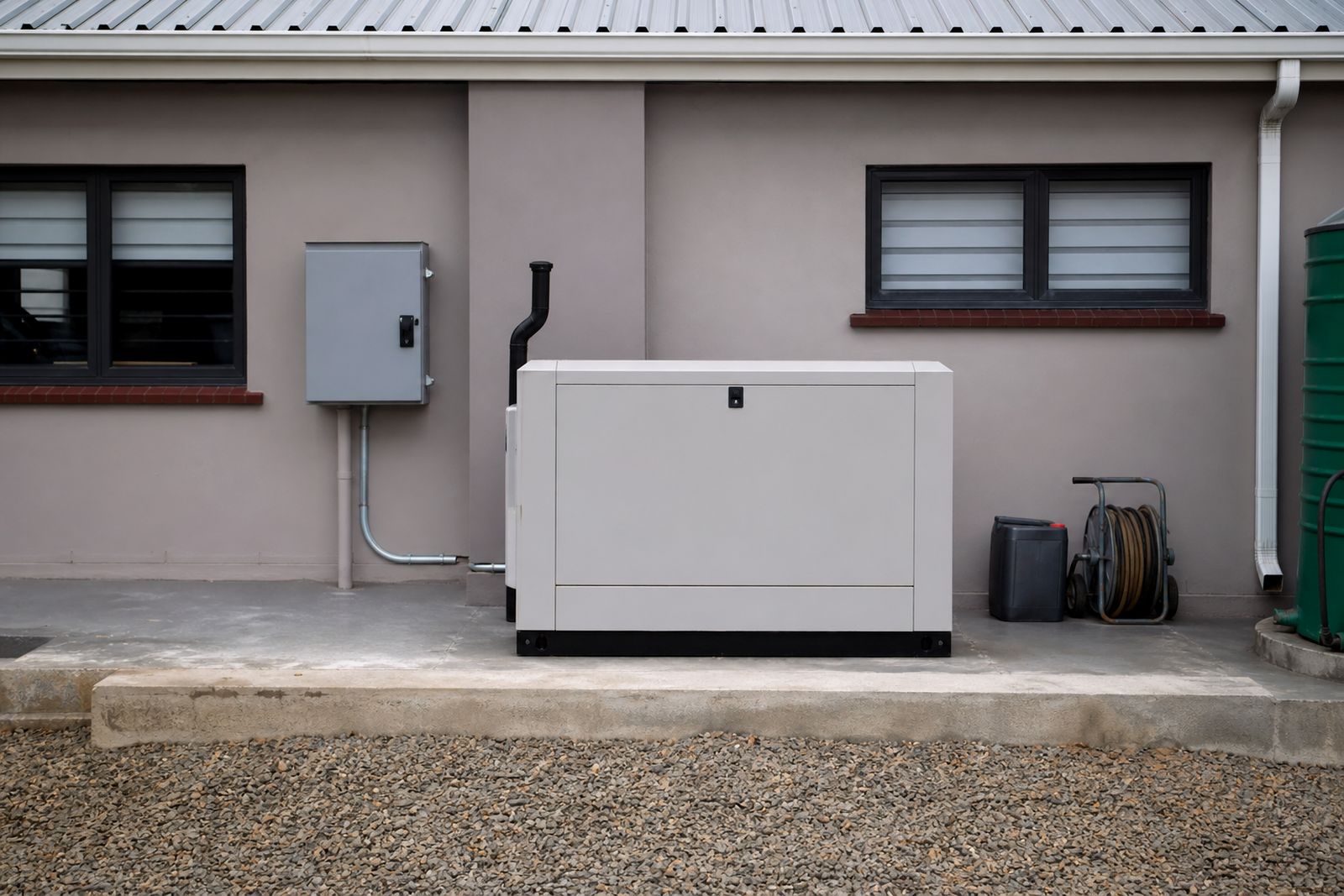
A medical clinic needs backup power that keeps vaccine fridges stable and consultation rooms usable during an outage. The usual starting point is a quiet 12 kVA genset, with the first check being which circuits must stay live before anything non-essential is added.
On clinic sites, the priority list is different from a shop or workshop. Fridge plugs, reception systems, routers, security, and selected lights usually come ahead of kettles, geysers, and waiting-room extras. Placement also matters because patients, staff entrances, and nearby houses all affect where the set can run without causing trouble.
Power cut patterns change how a clinic uses fuel across the week. A site that mostly sees Stage 2 can plan differently from one that often sits through Stage 4 or Stage 6, especially where immunisation stock and patient records must stay protected. We look at the running load, the startup load, and what a quiet 12 kVA genset should not be asked to carry at once.
Checks before clinic installation
- List fridge, lights, reception first
- Match a quiet 12 kVA genset to the noise and fuel you can live with on site
- Test changeover with day and night staff
- Keep the latest Runtime note by reception
- Photograph DB, earth, and fridge circuit
Include the site title when using our contact form so the enquiry lands against the correct clinic page. Add links to Gensets and Panels if you need an ATS, changeover option, day tank or load management around fridge circuits. Mention any previous backup unit that struggled, especially if lights dipped when a compressor or autoclave came on.
A clear photo of the DB board, fridge labels, and existing changeover equipment helps when planning a clinic install. If the building is in a small medical centre or converted house, include the side passage, boundary wall, and the space where exhaust will sit in relation to windows.
Common clinic power mistakes
Problems start when a clinic treats every socket as essential. Vaccine fridges, network gear, alarm systems, and consultation lighting usually need a cleaner priority than printers, microwaves, and water heaters. Dust on inland sites, coastal moisture, and neglected service intervals also affect reliable starts when outages become frequent.
Noise and exhaust need attention on this kind of property because clinics often share boundaries with homes, pharmacies, or other consulting rooms. A quiet cover helps, but canopy position, airflow, and operating times still need to be thought through before the unit is placed on site.
Another failure point is load added later without revisiting the original plan. A second vaccine fridge, extra aircon, sterilising equipment, or more admin counters can push a small clinic setup beyond what was first allowed for. Write the essential list down and keep it with the panel so each shift uses the same sequence.
Clinic handover details to record
Keep a simple handover sheet with the clinic name, genset model, service hours, last fuel fill, and the circuits that must remain on during power cuts. Add the fridge temperatures to be checked after startup, who opens first, and whether the panel uses ATS or manual changeover.
If a fault occurred during Stage 4, note it. Patterns matter more than single anecdotes. Browse related Projects for jobs that match this route.
If the site grows into a busier practice, treatment room, or vaccination point, review the backup layout before adding more demand. It is often better to separate critical medical loads from general office use than to let one small set carry everything in the building.
What our Backup Genset customers say
Verified Google reviews
Tell us about your backup power
Send a note through our contact form with the circuits you need to keep running, the kind of site, your fuel preference, how the changeover works today and your area, and we will come back with practical genset options and a quote.
Open the contact form