

Tower site power
Remote start, fuel cards, and hub runtime for tower sites.
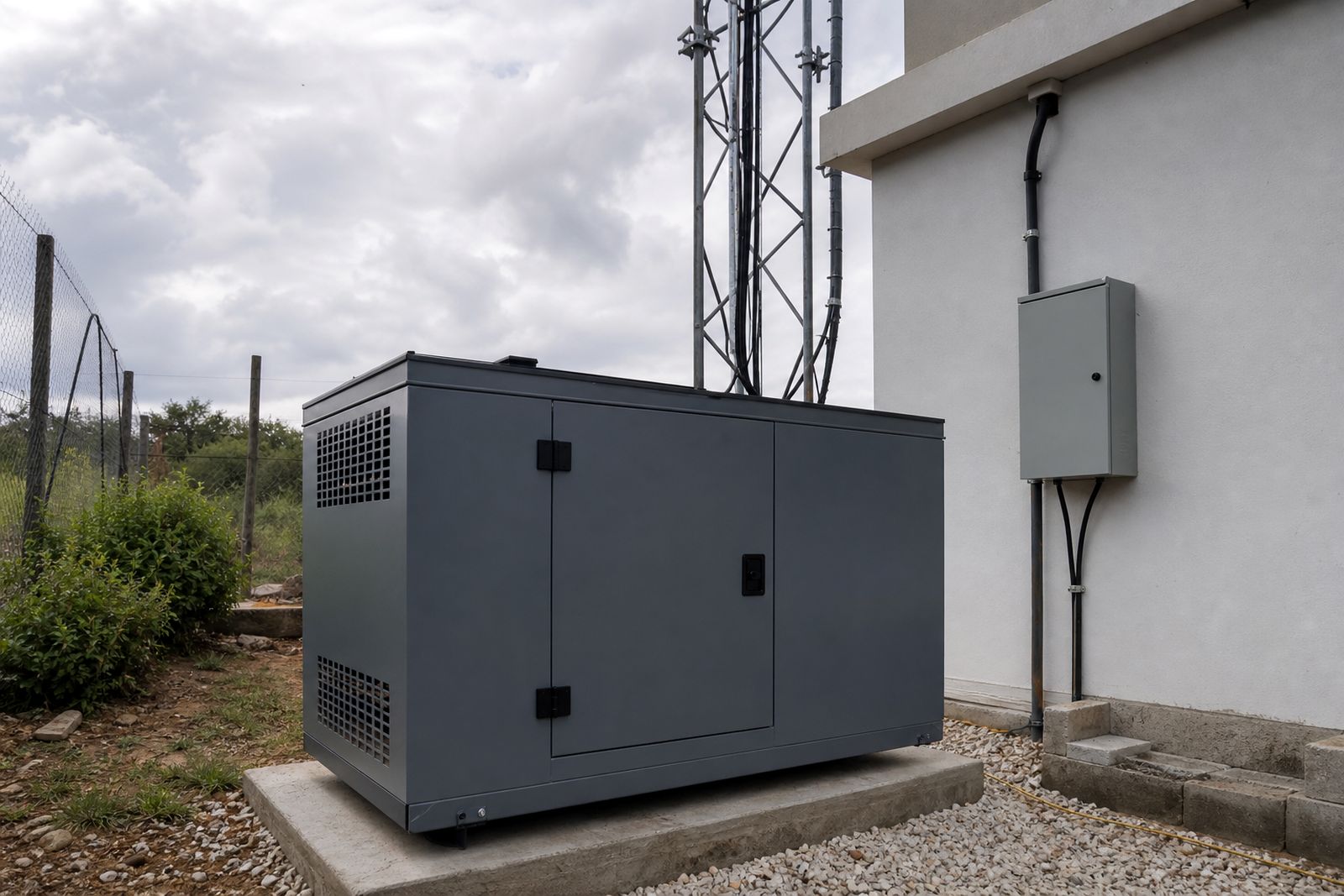
Tower backup under Stage outages
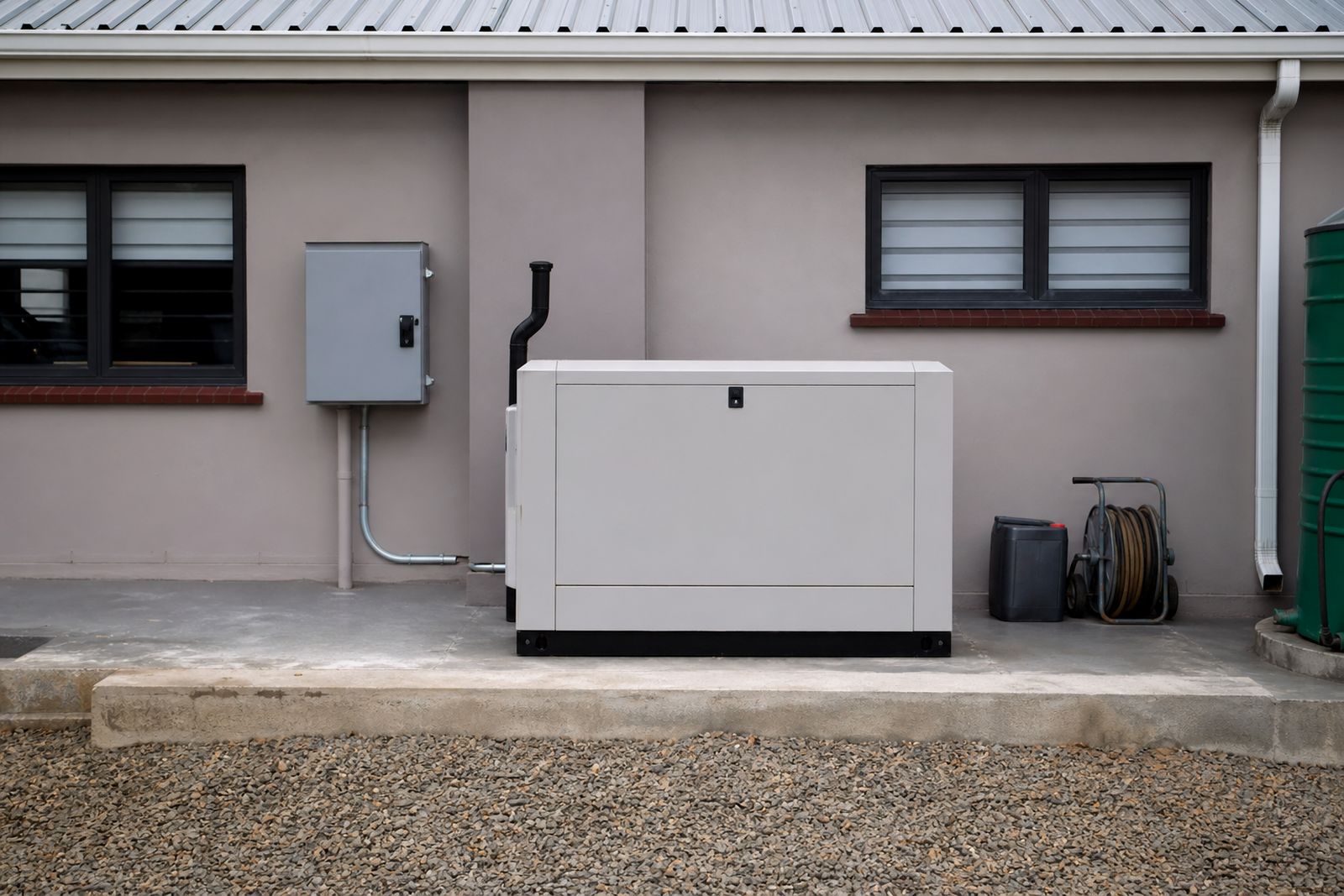
A telecom tower site needs standby power that keeps radios, rectifiers and security online when utility supply drops. The primary genset is a telecom hub 40 kVA, matched to remote start requirements, fuel access and the runtime expected at isolated compounds. Shift handovers work better when tower loads and start steps are kept clearly at the panel.
Tower locations vary widely across South Africa, from fenced urban masts to gravel access roads outside small towns. Dust on the Highveld, coastal air and summer storms all affect canopy position, cable routing and service checks. Noise matters too, especially where the tower boundary sits close to houses, schools or a body corporate wall.
Power cut patterns change how a tower backup plan is set up for fuel and run hours. Sites that see frequent Stage 4 or Stage 6 cuts need tighter runtime notes, cleaner refuelling routines and a realistic view of what must stay live. Telecom Hub 40 kVA should be matched to the actual communications load, not guessed from the size of the compound.
Checks that matter on tower sites
- List radios, rectifiers and security first
- Match a telecom hub 40 kVA to the noise and fuel you can live with at this site
- Test remote start with on-site tower staff
- Pin the latest Runtime note at panel
- Record first run hours and earth bond
For tower sites, use our contact form with the mast name, access hours, and whether the base station has remote start in place. Add links to Gensets and Panels if you need an ATS, low-fuel shutdown, or a separate feed for security lights. Note any failed unit and whether rectifiers, aircon, or battery charging dropped first.
A simple layout sketch helps on tower work, particularly where the compound is tight or access is controlled by a landlord or network operator. Include the DB position, gate width and where refuelling can happen safely. Photos of the existing supply point make load planning easier before anyone moves a canopy into place.
Common faults at mast compounds
Tower outages usually go wrong when battery chargers, shelter aircon, and security lighting are lumped together without a proper start sequence. Fuel trouble follows when cards are not assigned per site or runtime logs are left to memory after a late-night refill. On Highveld towers, intake filters clog faster in dusty wind, while coastal towers need closer checks for corrosion on terminals and control gear.
Noise complaints become an issue when a tower shares a boundary with homes or small businesses. Canopy direction, pad position and operating hours all need thought before the unit is left to run through repeated outages. Access roads, locked gates and after-hours security rules should be checked before fuel cards are relied on for unattended sites.
Remote compounds also fail when nobody writes down the start sequence after maintenance or refuelling. A tower can lose uptime if one shift leaves low fuel, a tripped breaker or an unchecked alarm for the next team. Put the basic running order near the panel so technicians are not guessing in the dark.
What the next shift needs
Keep one sheet at the site with the tower name, genset model, last fill, running hours and the loads that must stay on. Add any remote start steps, fuel card notes and whether ATS is fitted. For tower compounds, that short record is more useful than scattered messages after an outage.
If a fault occurred during Stage 4, note it. Patterns matter more than single anecdotes. Browse related Projects for jobs that mirror this route.
If one property has more than one mast, guard room or equipment shelter, split the backup brief by duty instead of forcing every load onto one answer. A clear note for each area makes runtime planning and fuel checks easier. That approach is especially useful where one compound carries both communications gear and general site services.
What our Backup Genset customers say
Verified Google reviews
Tell us about your backup power
Send a note through our contact form with the circuits you need to keep running, the kind of site, your fuel preference, how the changeover works today and your area, and we will come back with practical genset options and a quote.
Open the contact form