

ATS transfer check
Watch transfer once after every real outage, not only at install.
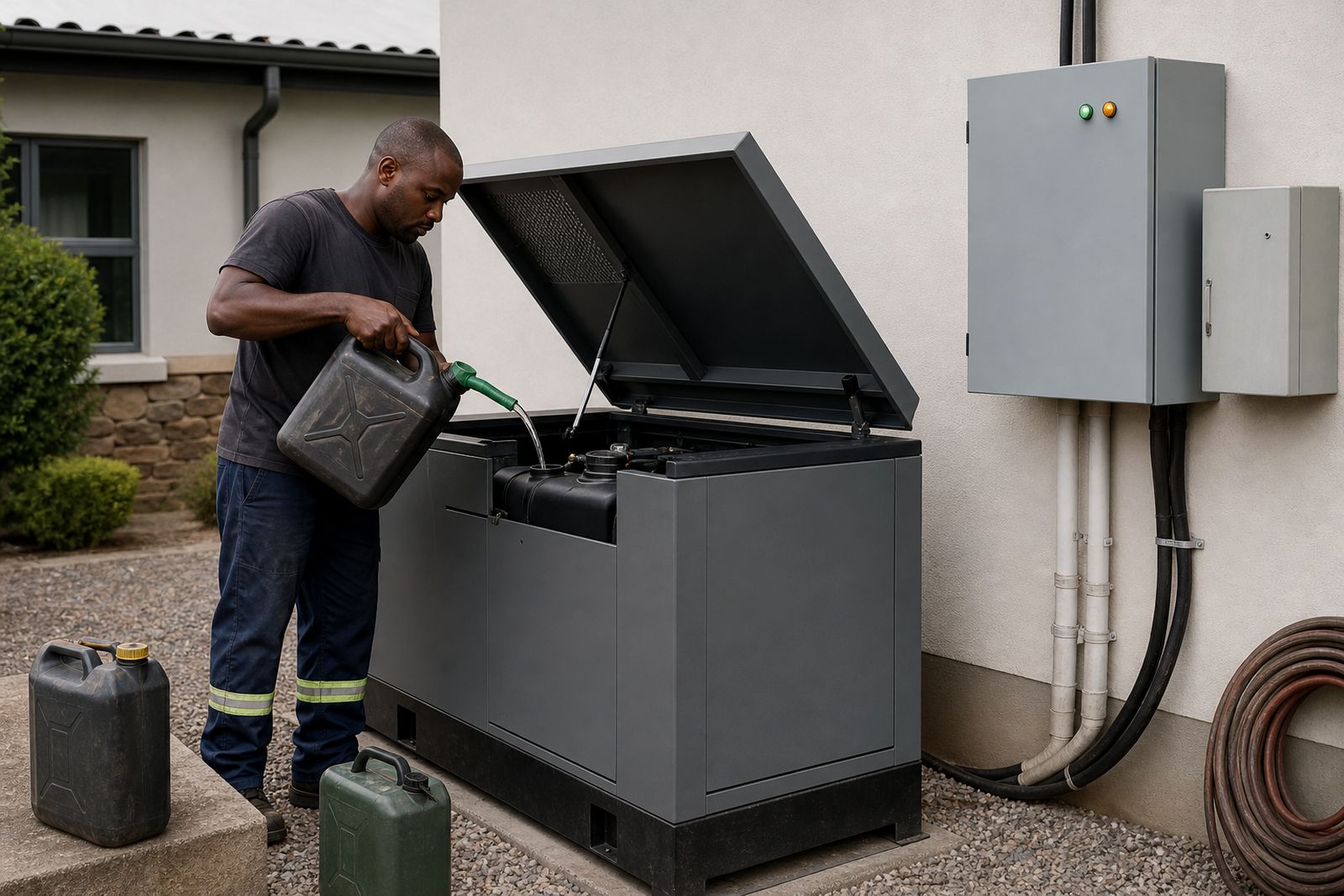
What to verify after transfer
Retief Opperman writes this runtime note for crews who keep packs honest through South African weeks. An ATS transfer check after every cut is a habit worth pinning above the panel.
After a utility failure, stand at the ATS and watch one full return to generator and one return to mains. Note the transfer time shown on the controller, any chatter from the contactors, and whether the normal and emergency lamps match the actual source. Record the outage stage or municipal area if known, because repeated faults often track one feeder or one switching event.
This runtime note belongs at the changeover board, not buried with the manuals. Crews usually need it in the first ten minutes after mains supply drops back, when they can still smell a hot contactor or hear a delayed retransfer. Keep the sheet where the operator can compare panel indications with the live sequence.
A clean start does not prove a clean transfer. Many ATS faults only show after a real cut, when undervoltage sensing, engine warm-up delay, and retransfer delay all have to work in order. Watch for loads that fail to pick up again, especially gate motors, server racks, and refrigeration controls that trip when supply returns unevenly.
Use this note with the matching genset route and site route when you log an event. If the ATS behaviour differs from the panel settings, send the site name, controller model, and latest hour reading through our contact form. Add whether the unit retransferred automatically or needed a manual step.
Conditions change the way transfer gear behaves across South Africa. Coastal boards around Durban can show corrosion on terminals and sensing wires, while inland dust around Gauteng can settle inside older enclosures and affect moving parts. Winter mornings on the Highveld also expose weak batteries, which can delay generator acceptance and confuse the transfer sequence.
Post-outage ATS walk-through
- Check source lamps match actual supply
- Confirm generator accepted load cleanly
- Inspect ATS for heat or chatter
- Verify priority circuits returned correctly
- Test automatic retransfer after mains stabilises
Sites in Germiston, Clearwater, and Cresta often have mixed loads on one board, so a single missed circuit can go unnoticed until trading starts. Write down which section failed to return, whether the ATS alarmed, and what time mains came back. A clear photo of the ATS display helps more than a long summary from memory.
If a spare contactor coil, auxiliary block, or fuse set is stored on site, inspect the packaging and part number before the next outage. Wrong ratings turn a small ATS fault into a dead board during power cuts. Keep these spares with the labelled Panels kit so the crew is not hunting through unrelated stock.
Prevent repeat transfer faults
The sequence after supply returns matters more than the theory. Read more in Runtime if you are building a site handover pack around recurring outages. Match the note to the ATS model and the load type, not only to the generator size.
Hand the transfer record to the next shift before anyone changes the controller mode or clears alarms. Include if the selector was left in auto, whether mains voltage looked stable, and whether any breaker had to be reset downstream. Trailer units and temporary boards also need the cable route checked after a rough outage, especially where plugs or camlocks were warm.
What our Backup Genset customers say
Verified Google reviews
Tell us about your backup power
Send a note through our contact form with the circuits you need to keep running, the kind of site, your fuel preference, how the changeover works today and your area, and we will come back with practical genset options and a quote.
Open the contact form