First start photo
Before handover, shoot the first start with gauges in frame.
What the first photo proves
Photographing the first start is a habit worth pinning above the panel.
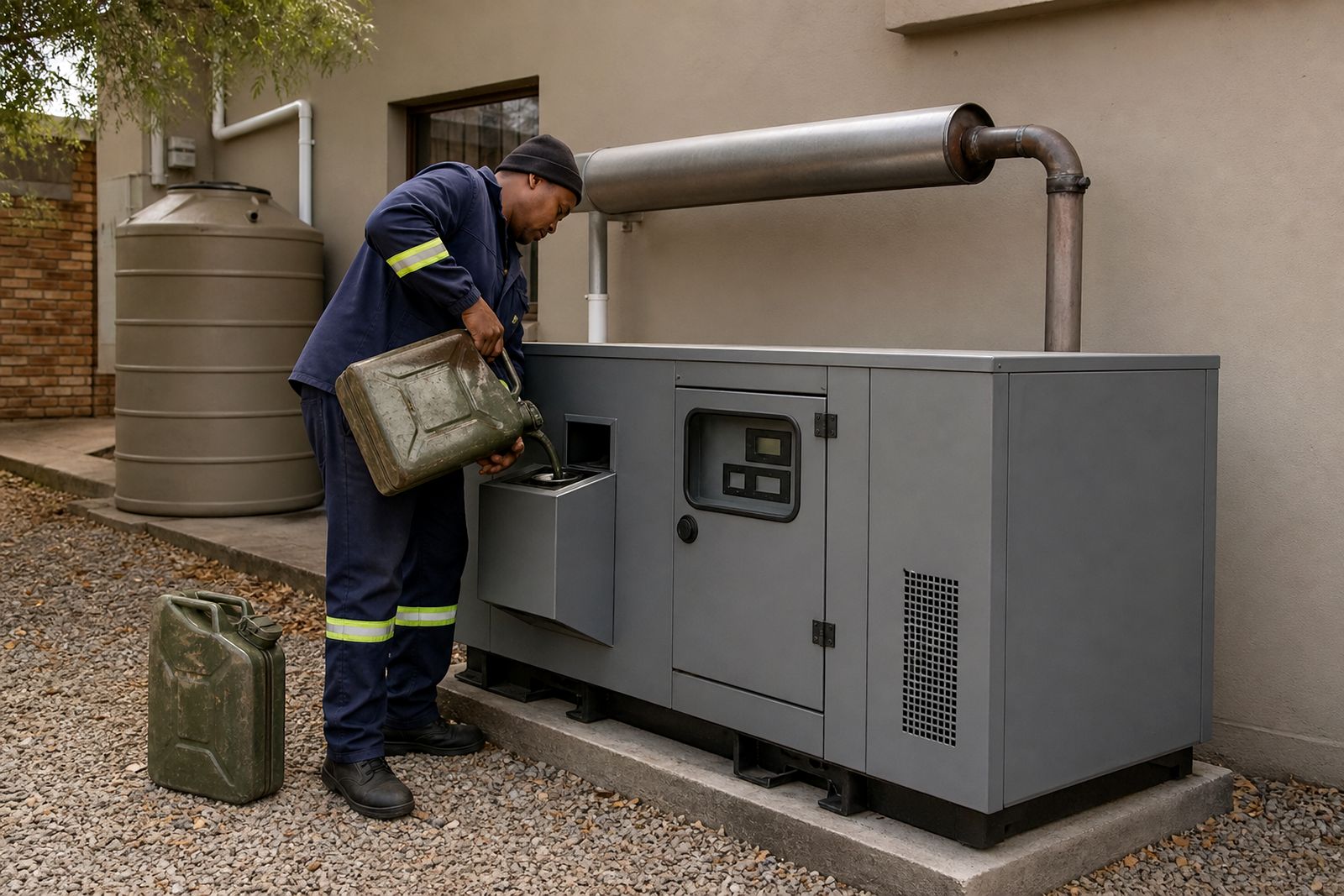
At the first crank, take one wide shot that shows the controller, oil pressure, coolant temperature, voltage, and the machine in the same frame. Add the date and hours reading to the image name before it disappears into a phone gallery. When a unit later starts hunting or smoking under load, that opening image gives the crew a fixed reference.
At the first crank, the note must be close enough to the panel for a quick check against the gauges. Keep it with the genset catalogue so the crew can compare the photo, the hours reading, and the switch position during handovers. In Germiston offices, that usually matters more than a manual left inside the crate.
The first image records more than a machine turning over. It shows whether warning lamps cleared, whether battery voltage held during crank, and whether frequency settled where the board expects it. On South African backup sets that stand for days and then work hard at once, those details matter more than memory.
Use this note alongside a matching genset route and the correct site route so the photo fits the machine and location. If the installation falls outside the usual pattern, note the city, fuel type and present hour meter reading with the picture. That gives a cleaner record than a loose image forwarded across several phones.
A start captured in Durban often needs extra attention on corrosion, condensation, and hazy display screens. Up on the Highveld, dry dust can dull labels and make gauge faces harder to read in a rushed moment. Winter mornings also change how a battery and starter sound, so crews should photograph before the set warms through.
First-start photo points
- Hour meter visible in the frame
- Fuel level readable, not blocked
- Controller screen sharp and glare-free
- Main breaker position shown clearly
- Transfer status captured after changeover
Crews in Germiston, Clearwater, and Cresta usually work fast, so the photo must tell the story without a long explanation. Stand square to the panel, wipe the dust off the screen, and retake the shot if the values blur. One good image saves arguments at handover.
Keep a clean rag with the phone and panel key, especially if the set lives near traffic grime or inside a dusty yard. Smudged screens and fingerprint haze can hide a low voltage reading in the only image you took. If service items are stored with Panels, check that the torch battery still has charge before the next outage.
Shift handover starts here
The first start photo sits in Runtime because crews need a short operating habit, not a long manual chapter. The first-start photograph should become part of every outage routine, whether the set backs a shop, a plant room, or a small office block. File it with the date so the next shift can compare like with like.
When shifts rotate, show the incoming operator where the last first-start image is stored and how the file names are written. Lock the panel after checks so no one changes auto or manual mode without leaving a trace. Trailer units also need the registration and parking position visible somewhere in the handover record.
What our Backup Genset customers say
Verified Google reviews
Tell us about your backup power
Send a note through our contact form with the circuits you need to keep running, the kind of site, your fuel preference, how the changeover works today and your area, and we will come back with practical genset options and a quote.
Open the contact form