

Handoff note
Next shift should not rebuild the story from scratch.
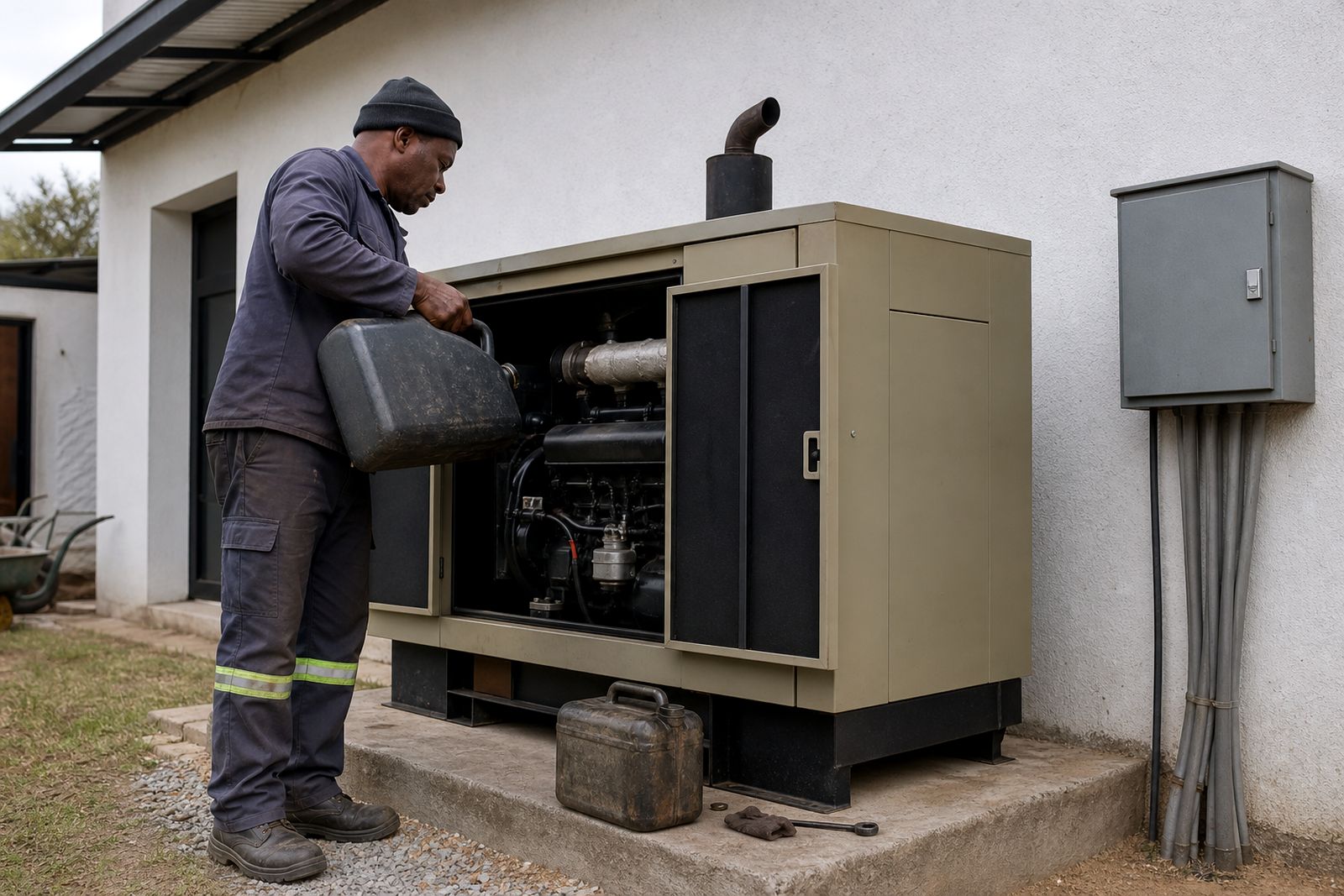
What the handoff must capture
Fulufhelo Msimang writes this runtime note for crews who keep packs honest through South African weeks. Writing a one-page handoff note is a habit worth pinning above the panel.
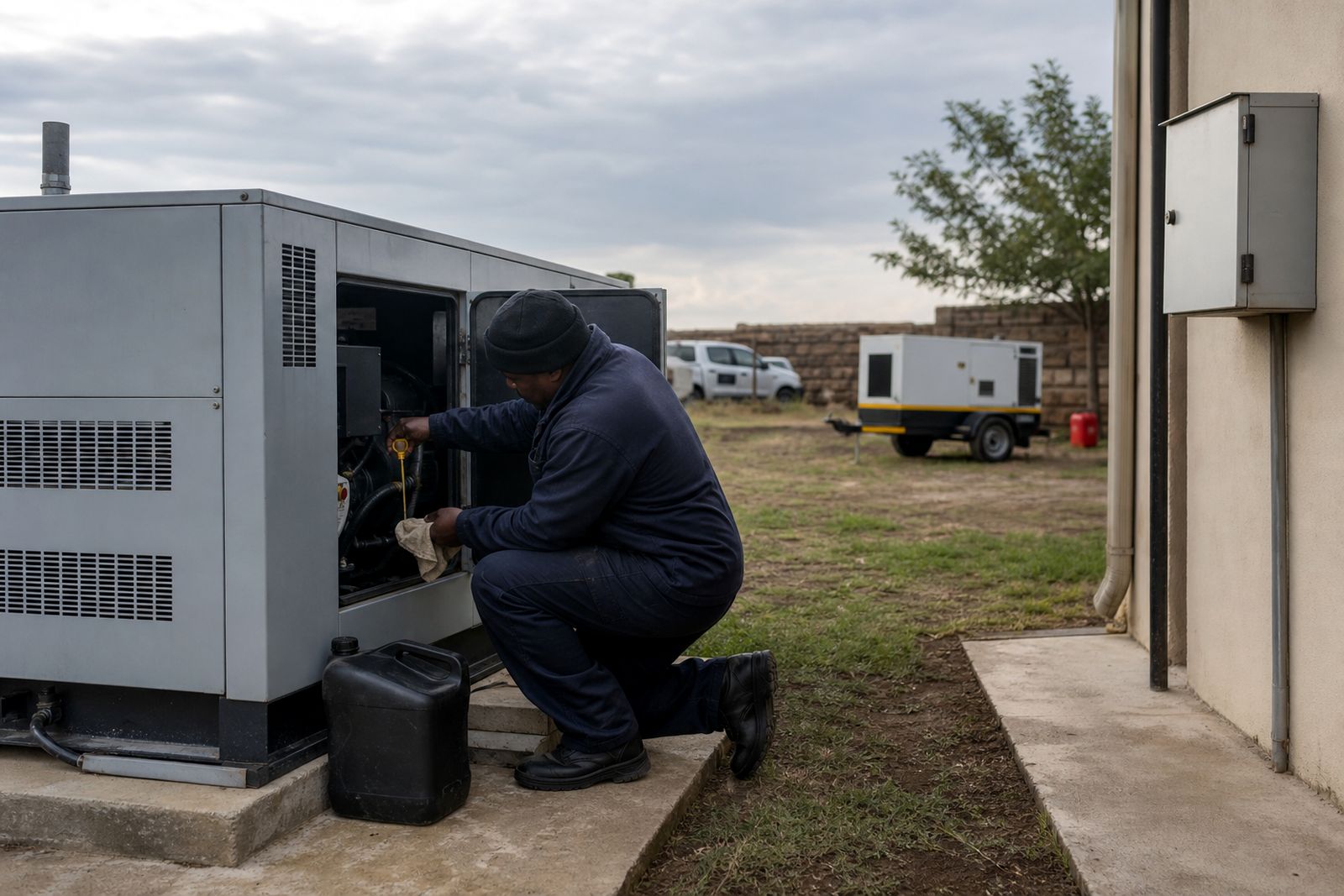
A handoff page must show what changed on this shift, not just what exists on site. Record the latest hour meter reading, fuel dip, alarm shown on the controller, and any test done under load. Add a photo of the panel and another of the tank mark so the next crew starts with evidence.
Keep the note where operators stand during a changeover, not buried in a file box. The catalogue helps with unit selection, but a handoff sheet carries today’s facts on this machine at this address. On South African backup sites, that matters most when power cuts schedules move and teams swap over quickly.
The one-page note should show the condition of the set before the next outage hits. Include start behaviour, warm-up time, breaker position, and any circuit left isolated after a fault search. If a site tripped during Stage 4, write the exact time and the load that came on just before the event.
Keep the handoff note with the genset records and site records when a crew needs the full site picture. If details are missing, send them through our contact form with the city, fuel type, and current hours. That gives the next review a proper baseline instead of patchy WhatsApp fragments.
Weather and province change what deserves a line on the page. Durban moisture can leave terminals sweating, while inland dust in Gauteng and the Free State blocks filters sooner in late winter. Near the coast, note corrosion spots; on Highveld sites, note battery strength after cold mornings.
Checks to log before shift ends
- Write down current engine hours clearly
- Mark fuel level against last delivery
- Photograph earth point and cable glands
- List priority loads fed during outage
- Test ATS transfer on mains failure
If a note moves between Germiston, Clearwater, and Cresta teams, put the site name at the top and the genset model underneath. A single image of a wet patch, loose lug, or soot mark usually explains more than three vague lines. Keep comments tied to the generator, board, tank, or cable run you actually checked.
Where a spare filter kit sits on site, note the part number and box condition on the handoff sheet. Seals harden with age, especially in hot containers and roof spaces. If service stock is stored under Panels, record that exact location so the next crew does not waste time hunting for it.
Shift change notes that prevent confusion
Operating notes need regular updates, so keep them with Runtime. A handoff line about a sticky selector switch or a noisy contactor can matter more this week than a general specification sheet. Keep it short, site-based, and dated so the next person can act on it.
Do the one-pager every time the duty team changes, whether the set ran or stood by. Note any valve position altered during refuelling, any lock left on the panel, and any trailer item that needs checking before road travel. Night crews should inherit facts, not a half-remembered story from the previous outage.
What our Backup Genset customers say
Verified Google reviews
Tell us about your backup power
Send a note through our contact form with the circuits you need to keep running, the kind of site, your fuel preference, how the changeover works today and your area, and we will come back with practical genset options and a quote.
Open the contact form