

Neighbour notice
Estate packs live or die on neighbour goodwill.
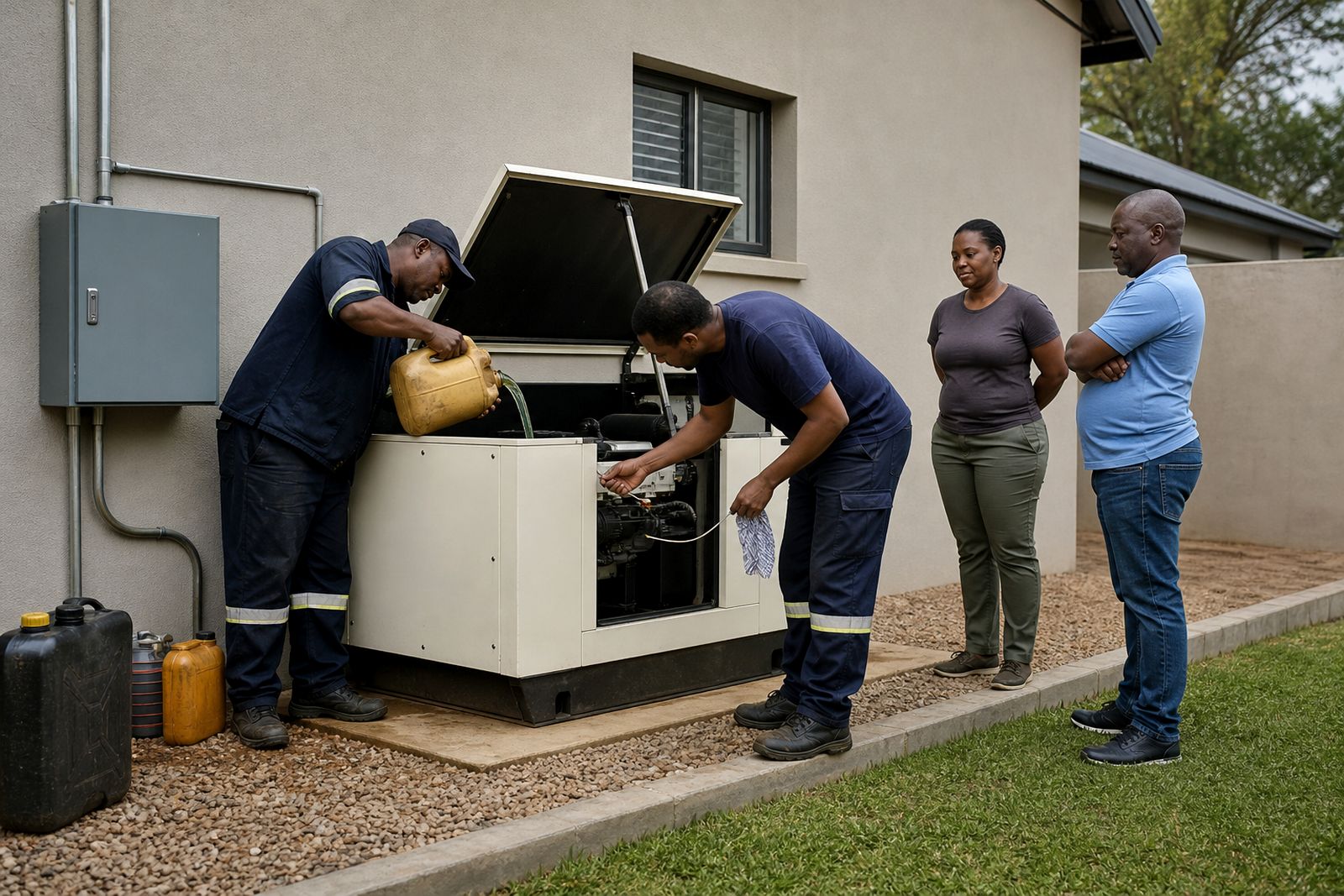
Boundary talk before placement
Crews who keep packs honest through South African weeks know that talking to the neighbour before install saves trouble later.
Before the rig lands, walk the boundary with the owner and the closest neighbour. Take photos of bedroom windows, boundary walls, and the side where the exhaust will point. Mark quiet hours, dog runs, and any gate that must stay clear for the installer and the fuel bowser.
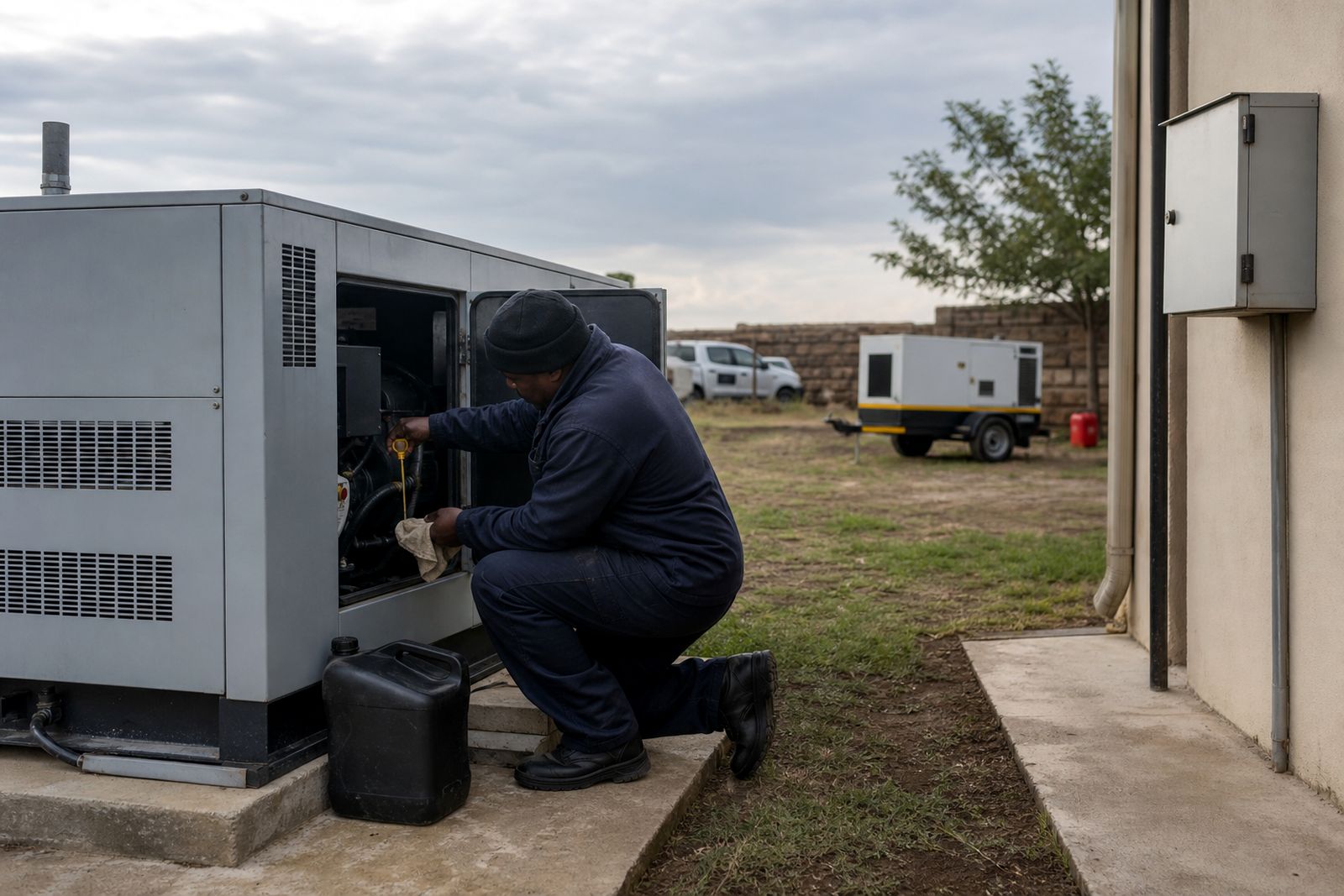
Beside the genset catalogue, this note earns its place by dealing with the first complaint before it becomes an estate dispute. Crews can check it while standing at the boundary wall, looking at canopy direction, fence lines, and bedroom windows. In South African townhouse complexes, that five minute read often matters more than a thick manual left in the crate.
Neighbour issues usually start with position, not engine size. A set tucked against a shared wall can throw sound straight into a study or baby room. Exhaust heat can stain fresh plaster, and test runs at supper time turn a manageable install into an estate WhatsApp problem within minutes.
Use this note with the matching genset route and site route when the property line is tight. If the stand has a servant’s quarters, shared driveway, or body corporate rule, send the basics through our contact form. Add the suburb, expected running hours, and whether the set is open or canopied.
South African conditions change how neighbours experience a unit. Highveld winter evenings carry sound further across brick walls and bare gardens. Coastal homes often keep windows open at night, while estate houses in Gauteng can reflect noise off close boundary lines and double-storey façades.
Checks before speaking to next door
- Note bedrooms nearest the boundary
- Check likely test-run time windows
- Photograph walls, vents, and eaves
- Mark the proposed exhaust direction
- Verify access for crane or pallet jack
If the property sits in Germiston, Clearwater, Cresta, or a similar tight residential pocket, carry a simple site sketch to the first visit. Show the neighbour where the unit may sit and where service staff will stand during routine checks. One marked photo often settles more than a long explanation at the gate.
Where spare parts are stored matters too. A filter kit shoved behind bins or garden tools invites noisy service work in awkward corners later on. If the board and accessories sit under Panels, keep those items accessible from the house side rather than the neighbour’s boundary.
Monday habits that prevent complaints
Keep this note with the rest of Runtime so crews can compare site behaviour across suburbs. It is written for handovers, standups, and pre-install checks, not for filing away with manuals. Link it to the job record when a boundary wall, bedroom window, or shared drive affects placement.
Write down whatever the neighbour actually says at the visit. "Baby sleeps here after lunch" helps more than a vague note about noise sensitivity. Also record any estate rule on test runs, because security teams often stop a unit long before a resident reaches the owner.
What our Backup Genset customers say
Verified Google reviews
Tell us about your backup power
Send a note through our contact form with the circuits you need to keep running, the kind of site, your fuel preference, how the changeover works today and your area, and we will come back with practical genset options and a quote.
Open the contact form