

Runtime budgeting
Litres and load steps beat optimistic estimates.
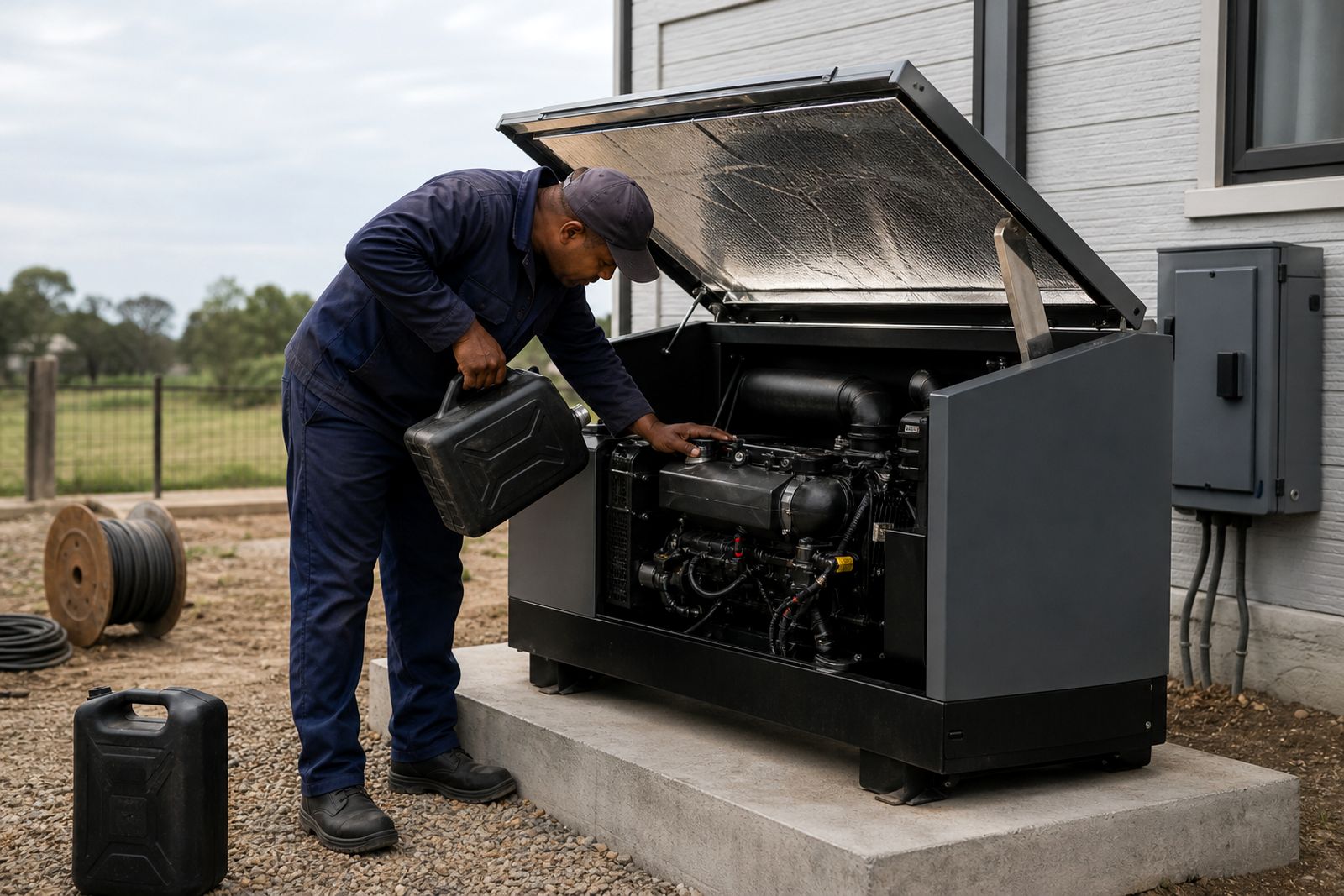
Where runtime budgets go wrong
Hlulani Letsoalo writes this runtime note for crews who keep packs honest through South African weeks. Budgeting runtime in litres and load steps is a habit worth pinning above the panel.
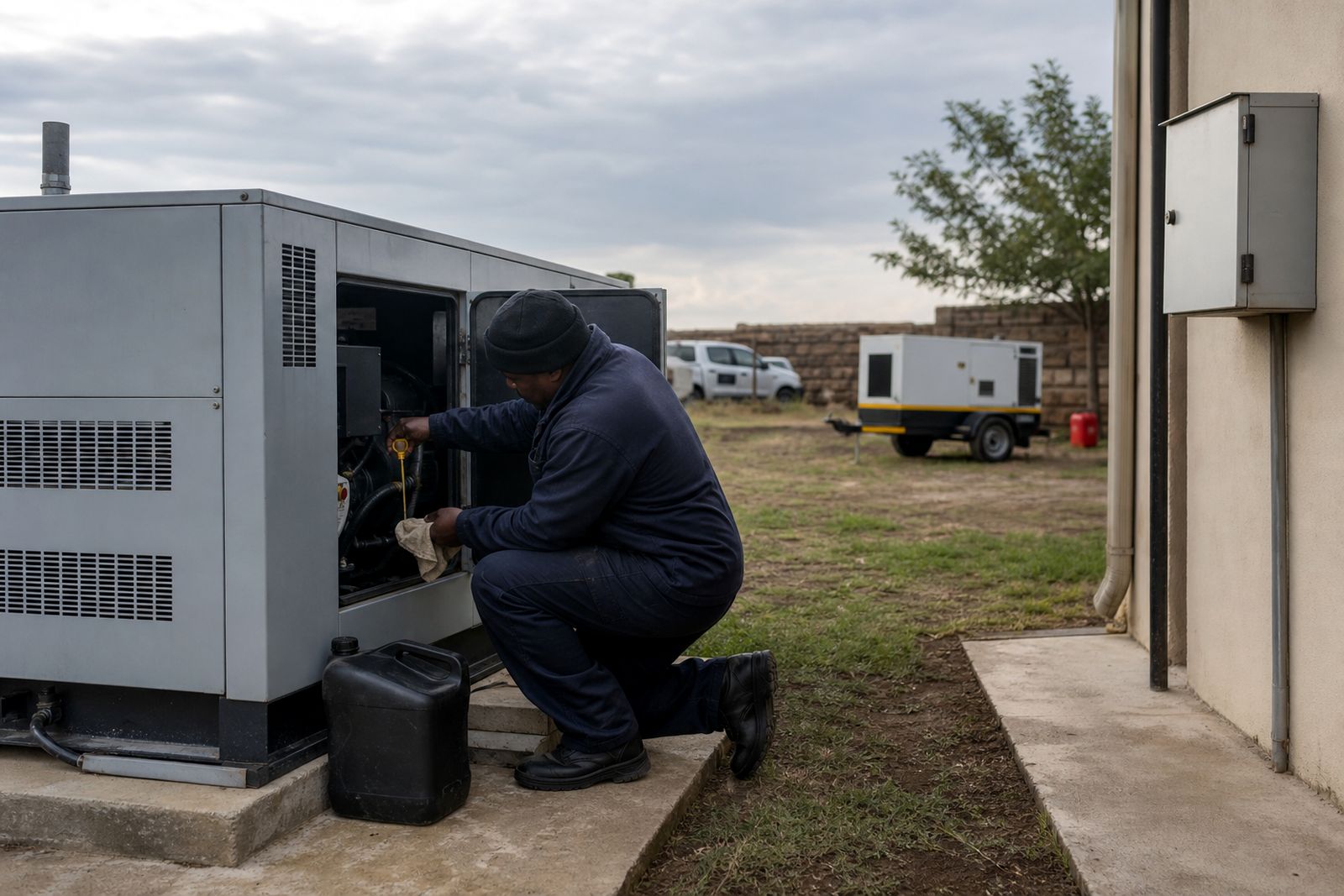
Mark every dipstick reading against the kWh load, not against memory. A tank that looked generous on Friday can disappear quickly once boreholes, cold rooms, or server racks stay on through two cuts. Write the litres added, the load band, and the run hours on the same sheet so the next crew can cost the next outage properly.
This runtime page belongs next to the fuel book and board schedule. Crews need one place that links litre use to actual site demand during grid interruptions. On a Johannesburg warehouse or a Durban workshop, that number matters more than a hopeful estimate from the first start-up day.
The biggest runtime mistakes start when all loads are treated as fixed. A genset feeding lights only behaves very differently from one carrying aircon compressors, pumps, tills, and battery chargers that cut in together. Budget from the real step loads, the refill access, and the minimum reserve you refuse to cross after hours.
Use this note alongside a genset guide and the relevant site guide when you build a fuel budget for outages. Where the installation sits outside the usual estate or farm pattern, send the basics through our contact form with the city, fuel type, tank size, and latest hour meter reading. That gives the runtime discussion a proper starting point instead of a rough guess.
Weather shifts the numbers more than many operators expect. Highveld winter mornings punish batteries and thicken start-up routines, while coastal moisture can turn simple switchgear checks into corrosion checks. Dusty inland August weeks also shorten filter life, which can raise consumption once the engine starts breathing badly.
Checks before you trust litres
- Record litres before and after outage
- Match tank marks to delivery slips
- Photograph meter hours with fuel level
- List circuits that must stay energised
- Test transfer under an actual supply loss
Across Germiston, Clearwater, and Cresta, the crews who budget runtime properly keep one photo of the tank gauge and one photo of the load reading on the same day. Those two images settle many disputes after a long outage block. A clear picture of the panel tells a better story than memory after shift change.
Keep the consumables that support long runs where crews can reach them fast. Check the date on filter kits, inspect the seal condition, and make sure the basic spares have not been borrowed by another team. If storage sits near Panels, keep the box dry and labelled so the right kit stays with the right machine.
Shift handover that protects runtime
A runtime note should tell the next shift what the machine actually burned under load. Browse related guidance under Runtime when you need another comparison for tank size, load pattern, or operating hours. The useful record is the one that explains what changed between cuts, not the one that repeats catalogue figures.
Handover notes must include current litres, active circuits, and any load added after the previous outage. Night teams should not discover that a kitchen geyser, extra freezer bank, or security floodlights were moved onto the generator without warning. Trailer units also need coupling, brake, and tyre checks before any road move between South African sites.
What our Backup Genset customers say
Verified Google reviews
Tell us about your backup power
Send a note through our contact form with the circuits you need to keep running, the kind of site, your fuel preference, how the changeover works today and your area, and we will come back with practical genset options and a quote.
Open the contact form