

Winter block heater notes
Read winter block heater notes that help generator sets start more reliably during cold South African weeks.
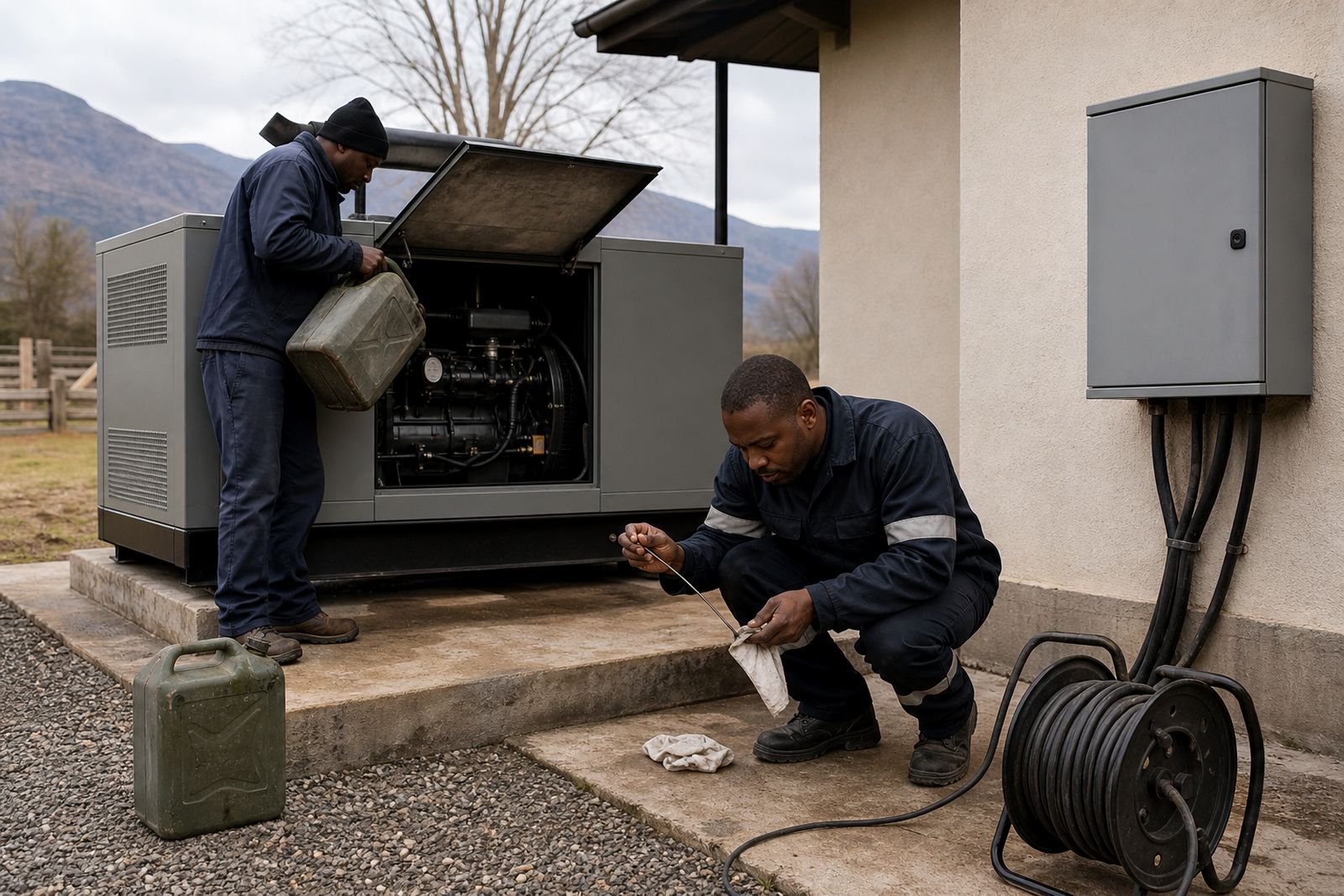
Cold-start reasons for heater use
Retief Opperman writes this runtime note for crews who keep packs honest through South African weeks. Keeping block heater notes for winter is a habit worth pinning above the panel.
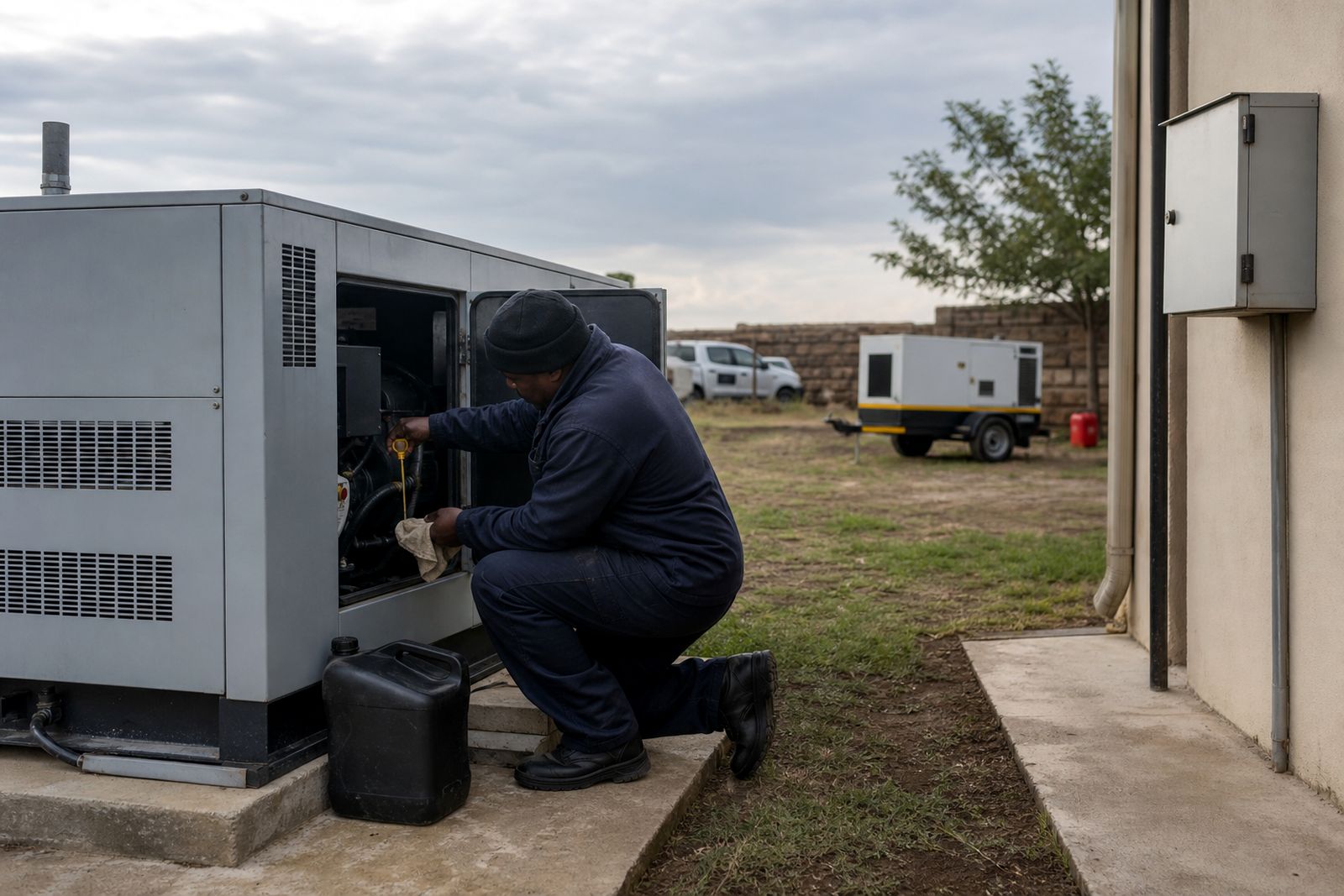
Before the cold front settles, note the block heater setpoint, coolant level, and the socket feeding the heater. Add a clear photo of the plug, breaker, and any timer used on site. If a unit cranked slowly during a frosty morning, record ambient temperature and the first exhaust colour so the next crew can read the pattern properly.
This winter note belongs at the generator door, not buried in a lever-arch file. Crews need the heater amperage, pre-warm routine, and start check where they stand with gloves on. On Gauteng sites that first cold start often decides whether the changeover feels routine or rough.
A block heater reduces drag in the first crank by keeping coolant and engine metal above the bitter edge of dawn temperatures. That matters on standby sets that sit untouched for days and then carry office loads, gate motors, pumps, or server rooms without warning. In inland winter, thick oil, weak batteries, and cold-soaked hoses tend to show up together rather than one at a time.
Where a genset route meets a site route, add the heater circuit and timer setting to the same notes. Use our contact form when a winter start issue appears outside the usual site pattern. Include the city, engine model, fuel type, and latest hours reading.
Winter does not land the same way across the country. Johannesburg and the Highveld bring sharper morning starts, while Durban often adds moisture around plugs, terminals, and heater leads. Karoo and Free State sites can swing from warm afternoons to very cold dawns, which makes timer settings and battery condition worth checking together.
Winter block heater check points
- Verify heater plug is seated and protected
- Check coolant level reaches correct cold mark
- Inspect heater cable for heat or cracking
- Confirm supply breaker label matches heater circuit
- Test transfer after a properly warmed start
Around Germiston, Clearwater, and Cresta sites, crews usually note the ambient temperature beside each cold start test. Paste the request and attach a heater plug or control photo if the unit starts hard at dawn.
If you keep spare coolant, hose clamps, or a replacement heater lead on site, check the packaging and part numbers before the coldest weeks arrive. Hardened rubber and mismatched connectors waste time at the panel door. Keep the marked spares where the service kit for Panels is stored so the next technician does not search three cupboards.
Prevent rough winter starts
These notes stay short because the useful part is the action beside the machine. In Runtime, winter pages should point crews to wattage, timer use, coolant checks, and first-start observations rather than repeat handbook wording. If another site uses the same engine family, compare the heater setup before copying settings between packs.
Keep the handover sheet specific when temperatures drop. Day shift should note whether the heater was left live, placed on a timer, or isolated for other work. Night staff need the actual battery reading, not a vague comment about a weak crank. Trailer units also need the heater supply checked after transport because plugs loosen on rough roads.
What our Backup Genset customers say
Verified Google reviews
Tell us about your backup power
Send a note through our contact form with the circuits you need to keep running, the kind of site, your fuel preference, how the changeover works today and your area, and we will come back with practical genset options and a quote.
Open the contact form